Exactly How Colorbond Fence Builders Manage Blockages and Obstacles
@sethcolorbondfencecontractorzupp080
A Colorbond fencing job fails fast when a person deals with the border as a straight line on a strategy. In real life, your fencing has to share area with everything the site already has, plus the policies that claim where it is allowed to rest. That is where seasoned Colorbond fence builders gain their cash. They do not just "mount panels", they fix the uncomfortable parts: obstructions, degrees, clearances, and troubles that can transform relying on where solutions, easements, and land contours land.
I have actually seen lots of fencings that look fine from the street but fall short in the corners, due to the fact that nobody prepared for what occurs when the driveway side meets the edge, or when a stormwater pipeline runs under "open ground" that is not actually open. A correct Colorbond fencing colorbond privacy fencing installation takes care of those truths without transforming the task right into a patchwork of dissimilar gaps and cosmetic fixes that fail later.
Below is the way skilled Colorbond fence installers generally overcome blockages and obstacles, what to expect on website, and the trade-offs that matter when you want a result that stays straight and holds up.
Setbacks are not optional, and they are not constantly one-size-fits-all
When individuals say "problem", they often imply the blanket policy from a neighborhood council or a typical border demand. However fencing placement can be extra difficult than that, specifically when you are near an edge, within a front setback area, or taking care of a site that has an easement.
A Colorbond fence builder needs to deal with problems as a layout constraint, not a last-minute modification. If the right line is not established early, every little thing that complies with is endangered. You can end up with messages that drop in the wrong places, a gate that does not align with the driveway, or an awkward jog that you can see every single time you stroll outside.
On lots of websites, the "permitted location" for a fence can change based on:
- whether you are in a front, side, or rear border zone
- the elevation and panel setup you are using
- whether the home has actually recorded easements or energy reserves
- whether there are driveway crossovers and accessibility considerations
In method, specialist Colorbond fence installation begins with confirming the boundary line and the obstacle needs with the correct referrals. That may indicate council advice, title strategy details, or designer restraints. If the home builder relies upon assumptions, the fencing might be constructed where it can be constructed today, then compelled to change later.
The bold truth is this: obstructions often do not "create" the trouble trouble. They merely reveal it. A fencing might technically fit on paper, but once you situate a stormwater line, a driveway footing, or a trunk origin mass, the only clean placement is inside or outside the designated clearance. That is why good installers work to define the fencing line, after that prepare the develop series around it.
Obstructions alter the structure plan, not just the panel layout
Obstructions appear in predictable categories, also if the specific problem varies from block to obstruct. A mature tree prevails, as are hidden services, old keeping sides, or concrete pieces left behind by a previous framework. Sometimes it is not "an obstruction" in the typical feeling, it is ground conditions, like a high rock rack that makes post holes difficult where they must be.
A Colorbond steel fence installer does not just relocate the fence a couple of centimetres and hope. A modification in where the blog posts go impacts architectural spacing, alignment, wind loading, and the method the entire fence acts when it broadens and acquires through the seasons.
Here are the sort of blockages building contractors most often manage, and the functional means they respond.
- Trees and roots: Posts might be transferred slightly or set farther from the trunk to lower danger of root damages. When clearance is tight, contractors may use alternate message ground approaches, like much deeper or reinforced footings, as opposed to shallow openings that can loosen later.
- Stormwater, drainage, and other solutions: If a blog post hole strikes a pipeline, the contractor has to redesign the footing location or utilize an authorized technique to manage the obstruction without jeopardizing the solution. This is where cord, pipe location, and secure gain access to matter.
- Existing concrete sides and driveways: A fencing line that "need to be" right could be blocked by a driveway lip, kerb, or piece. Home builders intend exactly how the blog post setout connects to the difficult surface area, in some cases utilizing transitional techniques to keep the fence straightened without developing weak points.
- Retaining wall surfaces and uneven ground: Where degrees transform, the fencing might require stepped elevations, tapered shifts, or changed blog post depths. The goal is a neat line that still preserves proper structural support, not a visually pleasing concession that undermines stability.
In each circumstance, the most effective Colorbond fencing builder is considering lots courses. Panels and rails are just the visible component. The blog posts and grounds bring most of the work, specifically for wind stress. If an installer places messages where the ground is soft, or where the footing can not be formed correctly as a result of a concealed blockage, you can get leaning, panel wobble, or sagging rails months later.
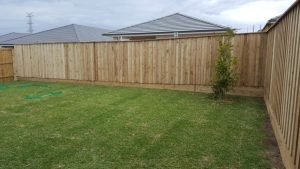
The minute troubles satisfy obstructions: you require alternatives, not guesses
The tough component is when the limit guidelines and the physical website collide. As an example, you may have:
- an obstacle that leaves very little space between the limit and a required clearance
- a drainage line that runs along that same slim zone
- a fully grown tree root mass that makes conventional article placement risky
In these situations, a good Colorbond fence installation group will normally generate alternatives. That might mean small redesign of message locations, a change in where rails begin or finish, or readjusting the fencing line within the permitted area.
The trick is that "options" still require to be structurally audio. Relocating blog posts is not the exact same thing as relocating a fencing. Articles are crafted elements in method, even when the advertising states "simply install the brackets". An expert method values the spacing and alignment demands, after that works the blockage around those limits.
I have watched less knowledgeable crews try to address this by adding added articles to "make it function" where they could not position a post usually. That can produce its very own problems. A lot of articles can lead to inconsistent rail periods, and it can complicate the panel fit and brace positioning. The much better step is to maintain the organized system and adjust setout in manner ins which still let the framework act the way it was planned to.
How contractors physically manage uneven ground without making it appear like a mistake
Uneven ground is not only regarding looks. It changes just how you excavate grounds, just how railways up, and exactly how the fencing handles the tension created when panels and messages are not in the very same plane.
A regular Colorbond fencing installer will evaluate:
- the overall slope throughout the run
- spot variations, like a dip near a driveway corner
- how the ground modifications near to the limit where the obstacle line dictates alignment
- whether the fence needs an action pattern or an extra gradual transition
If the fence line complies with the contour of the land, it often tends to look "natural". If the fence is forced to remain level in a location where the ground goes down dramatically, you can wind up with large voids at the base or panels that are pushed into unpleasant bracket angles. Either problem looks wrong and can raise rust danger where moisture collects.
On sensible work, builders frequently make use of stepped elevations when the grade adjustments enough to make constant slope appearance messy. Yet the steps need to be prepared so you do not end up with micro-steps every few metres, which can look accidental.
The boldest inform that a work is being rushed is when the fence steps are irregular. A skilled Colorbond steel fencing installation will certainly show a deliberate pattern, and it generally lines up with a border attribute, like the end of a preserving side or the begin of a driveway platform.
Post setout is the genuine "battlefield"
Many house owners assume the battle is panels. It is not. The fight is post setout.
Once the line is significant, a professional Colorbond fence builder checks sightlines and degrees at multiple factors, not simply at the start and finish. Why? Due to the fact that fencings "break" visually when the run is right in theory but a little out of placement due to setout drift, specifically over longer spans.
When a blockage shows up, setout obtains evaluated. Contractors may require to:
- shift a message within a permitted area while staying regular with rail alignment
- adjust ground depth if the ground is harder in one area and softer in another
- reposition to prevent hitting utilities, rocks, or buried remnants
- confirm entrance settings so the joints and lock fulfill properly at the last fence height
Good installers also think about exactly how the fencing will engage with landscape design. If a plant bed will certainly sit near the fence base, builders might prepare post positioning so future trimming does not harm rail coatings or develop consistent splashback. That is subtle, yet it is the sort of detail that divides a "jobs" installment from a "looks conserved" one.
Gates, edges, and the blockage problem nobody intends to talk about
Gates are where problems end up being visible, and obstructions become expensive.
An entrance requires clearance. It needs the right opening width. It needs placement so the lock catches easily and the fallen leave does not bind versus the structure. If you are required to change blog post areas as a result of a blockage, you can wind up with an entrance that is slightly off-centre, or a joint message that rests where the ground can not be created as intended.
In edge setups, wind direct exposure can be greater, and imbalance ends up being a lot more apparent. One of the most common blunder I see is building contractors advancing with the fencing line, then "evasion" the gate later. That fudge might look fine when eviction is new, but after a few months of use, the joint geometry typically shows its weaknesses.
Experienced Colorbond fencing installers prepare entrances early. They deal with the gate frame as part of the architectural system, not an ornamental add-on. If the website tosses a problem or a blockage at eviction location, the home builder does not treat it like a minor modification. They treat it like a redesign action, also if the redesign is small.
Managing changes where the fencing satisfies difficult landscaping
Obstructions are usually difficult landscape design edges: pieces, stumps, preserving wall caps, actions, and occasionally old fence remnants. When a Colorbond fence installation gets to these locations, you want shifts that look intentional and do not trap moisture.
Common change points consist of:
- where the fencing satisfies a driveway crossover
- where the fencing fulfills a keeping wall
- where the fencing fulfills a paved area at a various elevation
- where the fence adjustments instructions around a yard or side access
Professional installers generally prepare exactly how the article sits relative to the tough edge and how the bottom clearance will show up across seasons. If water collects at the base of the messages, rust danger rises, and you can also obtain discoloration and fracturing in adjacent concrete.
This is likewise where "looks penalty from the road" work obtain evaluated. The transition might be hidden from the main road sight, yet it is visible the minute you step into the lawn. In my experience, clients discover corner and base shifts more than they believe they will, since those are the locations they engage with daily.
Communication matters, especially when the website forces changes
A Colorbond fence installation is not just woodworking and steel work. It is also decision-making. If a contractor hits an unexpected obstruction after digging has actually started, the home owner needs a clear description of:

- what the blockage is most likely to be
- what choices exist to proceed within the trouble rules
- what modifications may be needed to stay clear of hold-ups or rework
- whether the fix has any type of long-term effects for appearance or durability
Some crews deal with shocks as "we will certainly manage it". That approach can function when surprises are unimportant. It does not work when troubles, security clearances, or architectural positioning are included. The very best Colorbond fencing builders remain tranquil, yet they are not obscure. They reveal the trouble, they reveal the alternatives, and they keep the fencing aligned with what was agreed.
If you want to be candid about it, communication is part of workmanship. A tidy fence is the end result, however the procedure impacts whether the outcome stays clean after the initial damp season.
A short, functional list builders usually run prior to they dig
Even though every task is various, the very best Colorbond steel fence installers share a habit: they examine the principles prior to they commit to grounds. That is where setbacks and obstructions are most controllable.
Here is what a careful group usually validates on site.
- Confirm the fencing line and action from border references, not simply existing stakes or a "rough guess"
- Check for underground solutions, including any kind of energy records, marker points, or visible service covers
- Identify obstructions early, like tree origin zones, rocks, concrete sides, and old foundations
- Validate trouble requirements for the particular limit section, especially front and edge areas
- Plan entrance places and corner changes before final panel alignment
If any one of those steps are rushed or skipped, the risk changes from the building contractor's work to your budget.
Trade-offs: what an excellent installer won't do, even if it would certainly be faster
You may listen to certain talk from a salesman: "We can function around anything." That is not false, yet it can be hazardously broad. Competent installers understand what "around anything" means in structural reality.
They likewise recognize what they will not do.
- They will not place grounds where soil top quality is unidentified or where a ground can not be formed to proper depth.
- They will certainly not neglect a solution strike danger and pretend it is "probably great".
- They will certainly not require rails to flex for positioning if doing so compromises straightness and long-lasting performance.
- They will certainly not hide an obstacle inequality with ornamental adjustments that will certainly come to be noticeable later.
- They will not keep expanding an inadequate alignment, then hope the next area looks better.
The fence system has resistances. Wind pushes laterally. Panels broaden and agreement with temperature level swings. If the framework is forced to fit around an obstruction with a hacky service, the fencing typically "exposes" the concession over time.
I will certainly give you a real-world example pattern I have actually seen frequently: an installer tries to maintain the fencing line close to the boundary to increase backyard space. They hit an origin mass, after that adjust the spacing awkwardly rather than relocating a post to a structurally reasonable place. The fencing ends up with a slight kink at the origin location. It is not remarkable on day one, but after weather condition cycles and minor ground motion, the rails clear up into a shape that draws the twist's interest whenever you look at it.
Why "straight" is a process, not a hope
Colorbond fencing setup is often evaluated by just how straight it looks in pictures. However the true test is whether it continues to be straight after the construct series coatings, the ground works out around grounds, and the gate is cycled a hundred times.
When contractors handle obstructions well, the straightness originates from intending at setout, not simply from a good level.
A skilled Colorbond fence installer normally:
- measures and remeasures throughout the run, not only at the start
- keeps brace alignment constant also when specific posts shift slightly
- plans changes so the entire fence line has one systematic aesthetic rhythm
- installs and dental braces blog posts so they remain plumb while concrete cures
- checks panel fit so it does not compel tension into the rails
That last part is very important. A fence that looks tight when it is put together can still loosen if panels were required to fit about a misaligned message. The installers who build long-lasting toughness treat fit like an architectural demand, not an aesthetic preference.
Choosing the right Colorbond fence builder for your specific site
A level block with no services and minimal landscape design is the very easy circumstance. A lot of websites are not such as that.
When you speak with Colorbond fencing installers, ask questions that reveal just how they think about obstacles and obstructions. You are not trying to find significant guarantees. You are searching for grounded problem-solving.
If a home builder can discuss just how they confirm the fencing line, just how they deal with a service strike threat, and what they do when a tree origin zone restricts message positioning, you are in much safer region. If they just discuss speed and rate, you might pay later in the form of hold-ups, revamp, or a fencing that never fairly looks right at the corners.
The goal is not simply a Colorbond steel fence mounted on schedule. The objective is a Colorbond fence installation that values where it is enabled to be, and builds around what is already in the ground. When a fencing strikes obstructions with the best technique, you get the tidy line you expected, plus the self-confidence that it is developed to take care of weather and use without becoming a maintenance project.
If you are dealing with a tricky boundary, an edge, a driveway edge, or a well-known service corridor, it is worth dealing with the obstruction and trouble strategy as the main job. The panels are the visible coating. The preparation is the real craftsmanship.